Pool Maintenance 101
A well-maintained pool is a healthy pool. But most pool owners either overdo it (dumping chemicals in without testing first) or underdo it (ignoring the pool until it turns green). Neither approach works. This guide covers the essentials: what to do weekly, what to do monthly, and how to prepare for each season. Straightforward advice from our team at Ridd's.
Your Weekly Routine (15 Minutes)
Pool maintenance doesn't need to eat your weekends. A focused 15-minute routine, done consistently, prevents 90% of problems. Here's the weekly checklist:
- Test the water. Use a test strip or liquid test kit. Check pH (aim for 7.2-7.6), free chlorine (1-3 ppm), and total alkalinity (80-120 ppm). This takes 60 seconds and tells you exactly what your pool needs.
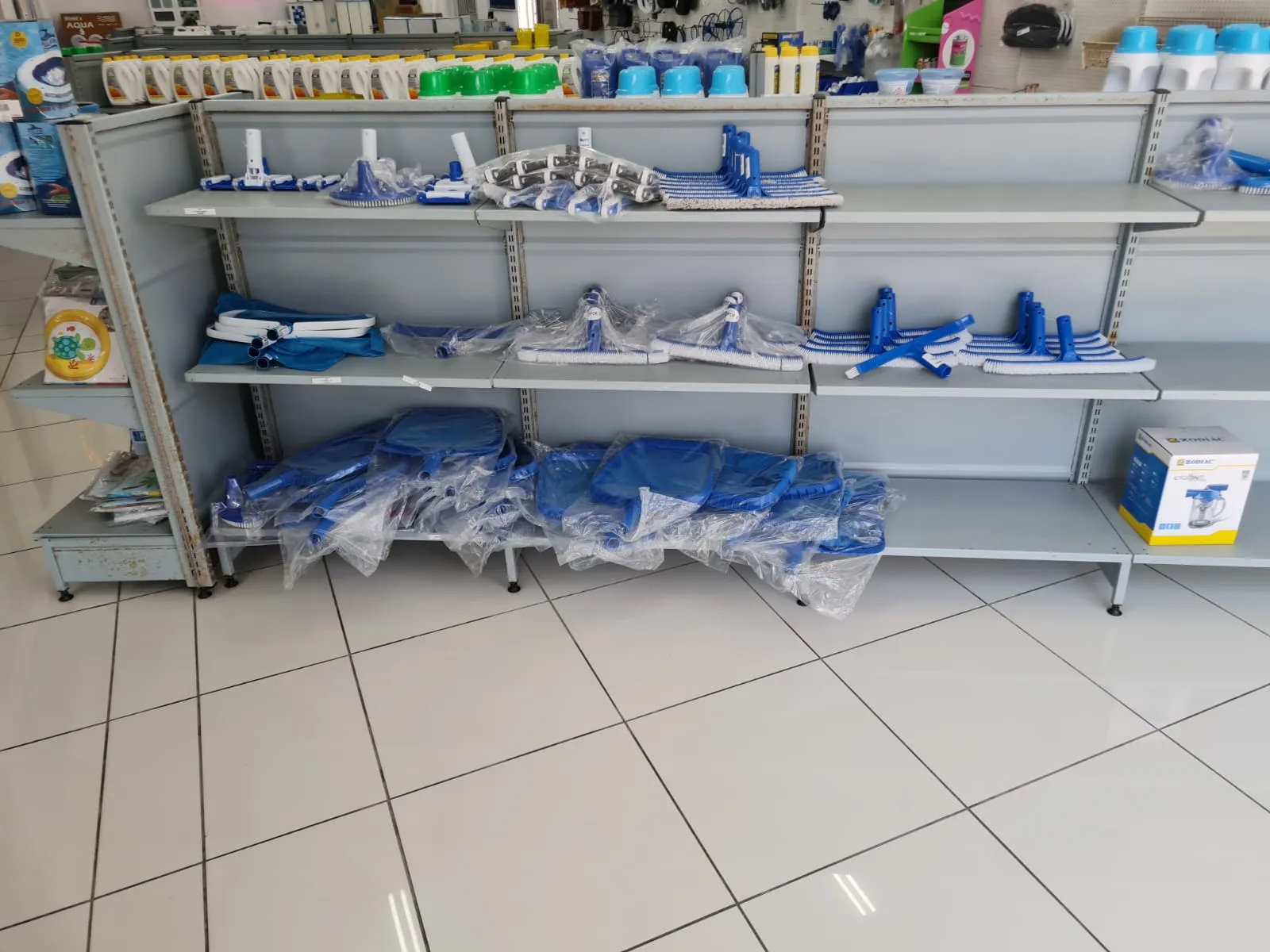
- Skim the surface. Leaves, insects, pollen. Get them out before they sink and decompose. A leaf net and 5 minutes is all it takes.
- Brush the walls and floor. Algae starts in the places your pool cleaner misses: steps, corners, behind ladders, along the waterline. A quick brush once a week stops it before it takes hold.
- Check the pump basket. A clogged pump basket restricts flow, which reduces filtration and puts strain on the motor. Pop the lid, empty the basket, replace it. Two minutes.
- Backwash if needed. Check the filter pressure gauge. When it reads 8-10 psi above the clean baseline, it's time to backwash. Over-backwashing wastes water and strips beneficial filter media. Under-backwashing reduces circulation.
Monthly Tasks
Once a month, go a step deeper:
- Test stabiliser (cyanuric acid). Should sit between 30-50 ppm. Too low and the sun burns through your chlorine in hours. Too high and your chlorine becomes ineffective. The only way to lower CYA is dilution (partial drain and refill).
- Test calcium hardness. Ideal range: 200-400 ppm. Low calcium eats at your plaster and grouting. High calcium causes scale buildup on surfaces and equipment.
- Inspect equipment. Look at your pump, filter, chlorinator (if you have one), and all fittings. Catch leaks, cracks, or unusual noises early. A small leak today becomes a burnt-out motor next month.
- Clean the waterline. That oily ring at the waterline is sunscreen, body oils, and airborne contaminants. A pool tile cleaner and a sponge sorts it out. Left alone, it feeds algae.
Seasonal Prep: Opening Your Pool (September)
After a Gauteng winter, your pool has been sitting with minimal circulation and possibly a cover. Here's how to bring it back for summer:
- Remove and clean the pool cover. Store it dry to prevent mould.
- Top up the water level to mid-skimmer box.
- Run the pump for 24 hours straight to circulate the full volume.
- Backwash the filter thoroughly.
- Test everything: pH, chlorine, alkalinity, stabiliser, calcium.
- Shock the pool with a triple dose of granular chlorine (follow the label for your pool size).
- Brush the walls and floor aggressively. Vacuum to waste if there's heavy sediment.
- Bring a water sample to us. After months of low circulation, a professional test catches what strips miss.
Need help with your pool?
We offer maintenance advice and stock everything you need at both our Roodepoort and Nelspruit branches. Bring in a water sample and we'll build you a treatment plan on the spot. Free of charge.
WhatsApp UsSeasonal Prep: Winterising Your Pool (May)
You don't drain your pool for winter. That's a common misconception. An empty fibreglass pool can pop out of the ground. An empty concrete pool can crack from ground pressure. Instead:
- Balance the water chemistry one final time. Get pH, alkalinity, and chlorine into their ideal ranges.
- Add a winter algaecide (a copper-based long-life formula works well).
- Reduce pump run time to 4-6 hours per day. The water is cold, bacteria are less active, and evaporation drops.
- Cover the pool if you can. A solid cover keeps debris out and reduces chemical consumption significantly.
- Continue testing every 2-3 weeks through winter. The pool doesn't stop. It just slows down.
Chemical Dosing Basics
Here are the target ranges you need to know. Print this out and stick it on your pump room wall:
| Parameter | Ideal Range | What Happens If Off |
|---|---|---|
| pH | 7.2 - 7.6 | Too low: corrosion, skin irritation. Too high: chlorine becomes ineffective, cloudy water. |
| Free chlorine | 1 - 3 ppm | Too low: algae, bacteria. Too high: bleaching, irritation. |
| Total alkalinity | 80 - 120 ppm | Too low: pH bounces wildly. Too high: cloudy water, scale. |
| Cyanuric acid (stabiliser) | 30 - 50 ppm | Too low: chlorine burns off in sunlight. Too high: chlorine locks up. |
| Calcium hardness | 200 - 400 ppm | Too low: etches plaster. Too high: scale deposits. |
Always adjust alkalinity first, then pH, then chlorine. Alkalinity is the foundation. If it's off, pH won't hold steady no matter what you add.
Common Mistakes That Cost You Money
- Adding chemicals without testing first. This is the most expensive mistake. You're guessing. And guessing usually means overdosing, which creates new problems.
- Running the pump too little. Your pool needs 8-10 hours of circulation per day in summer. Cut it to 4 hours to save on electricity and you'll spend triple on chemicals fighting algae.
- Ignoring the filter. A dirty filter means dirty water. Full stop. Backwash when the pressure rises, and replace sand every 5-7 years (or glass media every 7-10 years).
- Shock-dosing in the middle of the day. UV destroys unstabilised chlorine. Shock at night. Let it work for 8-10 hours before the sun hits it.
- Using the wrong products together. Never mix chlorine and acid. Never add chemicals through the skimmer. Always dissolve granules in a bucket of water first, then pour around the pool edges.
When to Call a Professional
Some problems are beyond a test kit and a bucket of chlorine:
- Persistent green or black algae that won't clear after two shock treatments
- Pump losing prime or making grinding noises
- Visible cracks in the pool shell or leaking around fittings
- Sand or DE powder blowing back into the pool (broken filter laterals)
- Water level dropping more than 5mm per day (possible underground leak)
- Cyanuric acid above 100 ppm (the only fix is a partial drain)
Come chat to us at either branch. We'll diagnose the problem, recommend whether it's a DIY fix or needs a technician, and point you in the right direction. We'd rather help you fix it once than sell you products that won't solve the real issue.
 Free PDF
 Free Pool Care Guide
Get the complete pool care guide with weekly checklists, dosing charts, and seasonal prep lists. All in one printable PDF.
- Weekly maintenance checklists
- Chemical dosing charts with ideal ranges
- Seasonal opening and closing prep
- Common mistakes that cost you money
We respect your privacy and comply with POPIA. Unsubscribe anytime.
Related Articles
Salt Chlorinator vs Chlorine: Which Is Right for Your Pool?
Read MoreHow to Test Your Pool Water (And What the Results Mean)
Read MoreShop maintenance essentials
Get the right pumps, filters, and chemicals for your routine. Or let us handle it with our weekly maintenance service.
Your Pool. Sorted.
Whether you need chemicals for a green pool, a new pump, regular maintenance, or advice from someone who has seen it all before. The Trollip family still runs Ridd's. Decades of pool expertise. Two branches. Free water testing. Everything but the water.
Walk in. Call. WhatsApp. We're here.
Ridd's Pool Care App
Track your pool health, service history & water chemistry from your phone.